
Image Source: Pexels
Do you suffer from spring allergies? If so, that means your body is reacting to pollen in the air. You should start seeing signs of it around this time. And while loud, whirring vacuum cleaners have become a staple of TV commercials selling products designed to reduce allergens, with the advent of warm weather and high humidity comes another annual source of misery for millions: increased airborne pollen. If you’re one of those unfortunate individuals who suffers from spring allergies, you know they can be quite debilitating in many ways—especially if your home suffers from poor indoor air quality and excessive dust or dander as a result. Fortunately, there are several affordable and accessible services that can help you cope with spring allergies this year and every year moving forward…
Why do we have spring allergies?
Pollen is a fine dust made up of the male reproductive cells of flowering plants. It’s what allows plants to reproduce and is released into the air so that it can travel from plant to plant. For some people, the pollen triggers an allergic reaction. When you breathe in that pollen, your immune system mistakenly thinks that it’s a harmful substance and responds by making antibodies called Immunoglobulin E (IgE) antibodies. These antibodies cause allergy symptoms when they come into contact with the pollen. The type of pollen that causes allergies varies throughout the year, depending on the season and the types of flowers that are blooming. For example, trees produce pollen in the spring, while grasses pollinate in the summer.
Sneezing and sniffling: What to know
You might not think much of the occasional runny nose or sneeze, but if they become persistent, they could indicate the onset of spring allergies. The same goes for itchy eyes and a scratchy throat. Unfortunately, many people overlook these early symptoms, assuming that they are just a sign of a stuffy or cold and staying indoors to rest. But it’s important to note that these are a couple of the most common signs of allergies, so now is the time to be aware of them. If you notice symptoms like these and live in a household with lots of dust, dander, and/or pets, you may want to consider professional cleaning services to get your spring allergies under control.
Professional cleaning services
Cleaning services that specialize in allergy reduction will use HEPA-filtered vacuums and special, allergy-friendly cleaning products to remove dust, dander, and allergens from your home. Depending on the level of cleaning you need, they might also come equipped with air filtration devices to help with indoor air quality. Depending on the company you choose, you can set up regular cleaning appointments throughout the year (or even every month) to keep your home in tip-top shape—especially when it comes to dust and dander. Some may even offer seasonal cleaning, which is designed specifically for spring allergies.
Air Purifiers
Air purifiers are special devices that remove pollutants like pollen, bacteria, and mold spores from the air in your home. Experts recommend that you use them year-round, but they may be even more important during the spring months when allergies are most prevalent. Some air purifiers are equipped with HEPA filters for maximum effectiveness. You’ll also want to make sure to change the filters on a regular basis to prevent odor and bacteria build-up. Air purifiers that have timers and motion sensors are also a good option because they’ll kick on when they sense that there’s an excess of pollen or dust in the air. This is important because you may not notice the difference in your allergies until they’re already pretty bad.
Vacuum Cleaners with HEPA filters
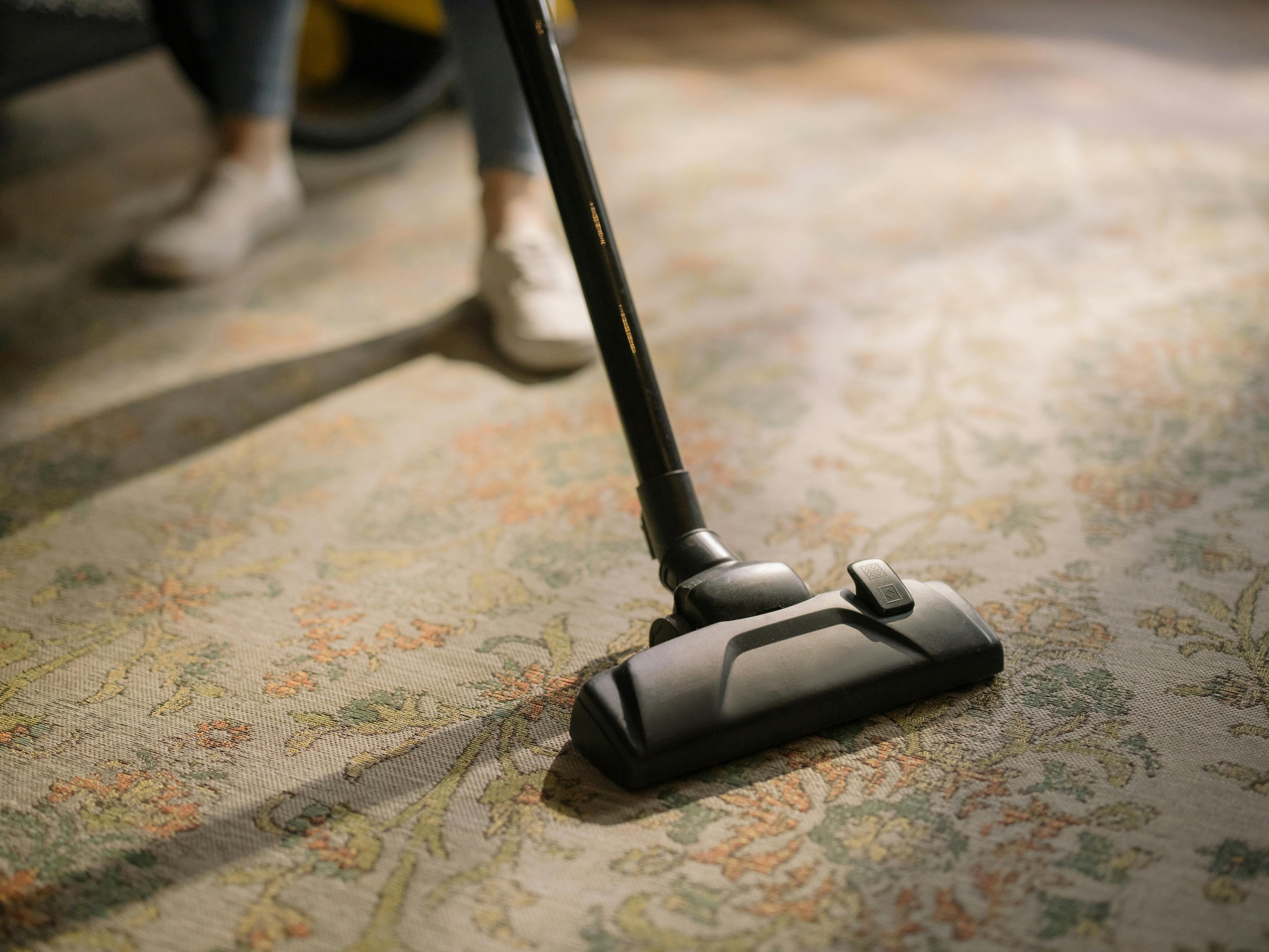
Some vacuum cleaners come equipped with HEPA filters, which are great for allergy reduction. When choosing a model, check for the acronym HEPA (High Efficiency Particulate Air) on the box or product description. This indicates that it has a HEPA filter, which is capable of trapping up to 99% of the pollutants in your home. Fortunately, you don’t have to limit yourself to vacuums, as many cordless and handheld vacuum cleaners come with HEPA filters as well. HEPA filters are great for preventing allergens from getting kicked back into the air after you’ve finished vacuuming. While they’re helpful for all allergy-sufferers all year round, they’re especially useful during the spring months when pollen counts are high.
Conclusion
The right tools and cleaning methods can help you manage your spring allergies and improve the air quality of your home. If you’re struggling with spring allergies, try to be aware of their early symptoms and make time to clean your home thoroughly using one of the methods we’ve outlined in this guide. If you keep up with the cleaning throughout the year, you’ll be able to stay allergy free for the most part.